
In today’s manufacturing environment, accurate barcode scanning is essential for maintaining product traceability, inventory accuracy, and supply chain efficiency. Whether products are moving through a production facility, warehouse, distribution center, or retail environment, a barcode that fails to scan properly can create costly delays and operational disruptions.
Unfortunately, many packaging scanning errors are not discovered until products have already left the facility. By then, manufacturers may face rejected shipments, compliance issues, relabeling costs, and customer complaints. Understanding the most common causes of scanning failures can help companies improve barcode quality and reduce unnecessary expenses.
Why Packaging Scanning Errors Matter
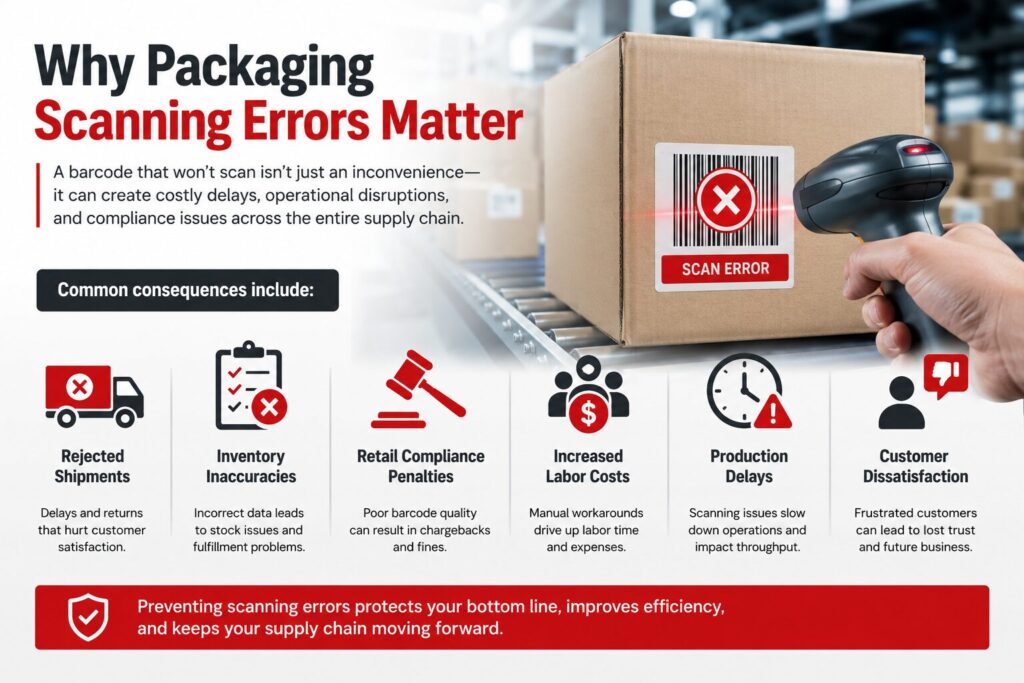
Modern supply chains rely heavily on barcodes to track products from production through final delivery. When a barcode cannot be scanned accurately, it can disrupt inventory management systems, delay shipments, and create challenges for retailers and distributors.
Common consequences of packaging scanning errors include:
- Rejected shipments
- Inventory inaccuracies
- Retail compliance penalties
- Increased labor costs
- Production delays
- Customer dissatisfaction
For manufacturers producing high volumes of products, even a small percentage of unreadable codes can have a significant impact on operations.
Common Causes of Packaging Scanning Errors
Poor Print Quality
One of the leading causes of barcode scanning issues is poor print quality. Faded printing, inconsistent ink coverage, damaged printheads, and incorrect printer settings can all make barcodes difficult to read.
Regular maintenance and proper printer setup are essential for producing clear, consistent codes.
Insufficient Contrast
Barcodes require strong contrast between the printed code and the packaging surface. When contrast is too low, scanners may struggle to accurately read the information.
Manufacturers should verify that their ink, label material, and packaging substrate provide sufficient contrast for reliable scanning.
Damaged Labels and Packaging
Barcodes can become unreadable when labels are wrinkled, torn, scratched, or exposed to harsh handling conditions. Corrugated cartons, flexible packaging, and products exposed to moisture or abrasion are especially vulnerable.
Protecting barcode placement and selecting durable materials can help prevent damage throughout the supply chain.
Improper Barcode Size
Printing barcodes smaller than recommended specifications can negatively affect readability. While packaging space is often limited, reducing barcode size beyond industry standards can lead to scanning failures.
Following barcode sizing guidelines helps ensure consistent performance.
Inconsistent Barcode Placement
Barcodes placed near folds, seams, corners, or package edges can create scanning challenges. Consistent placement is critical for maintaining readability across all products.
Automated coding and marking systems help eliminate variation and improve consistency.
The Difference Between Barcode Scanning and Barcode Verification
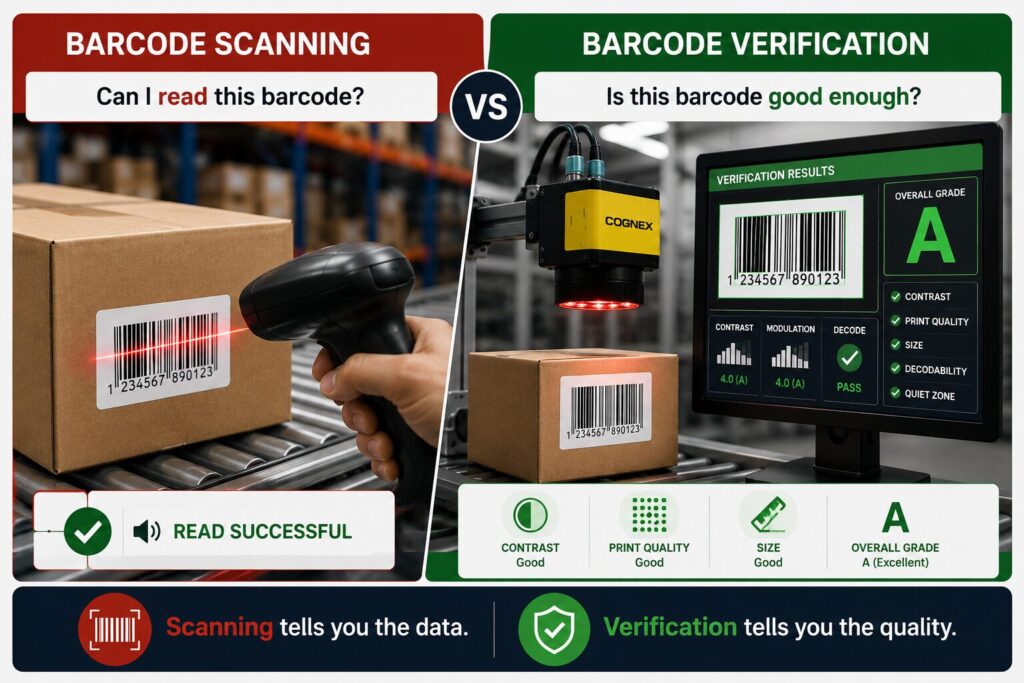
Many manufacturers assume that if a barcode scans successfully once, it will perform well throughout the supply chain. However, barcode verification provides a deeper level of quality control.
A barcode scanner simply determines whether a code can be read. A barcode verifier evaluates the quality of the barcode and grades it against industry standards, helping manufacturers identify issues before products leave the facility.
Verification programs help reduce compliance risks and improve long-term barcode performance.
How Barcode Verification Technology Helps
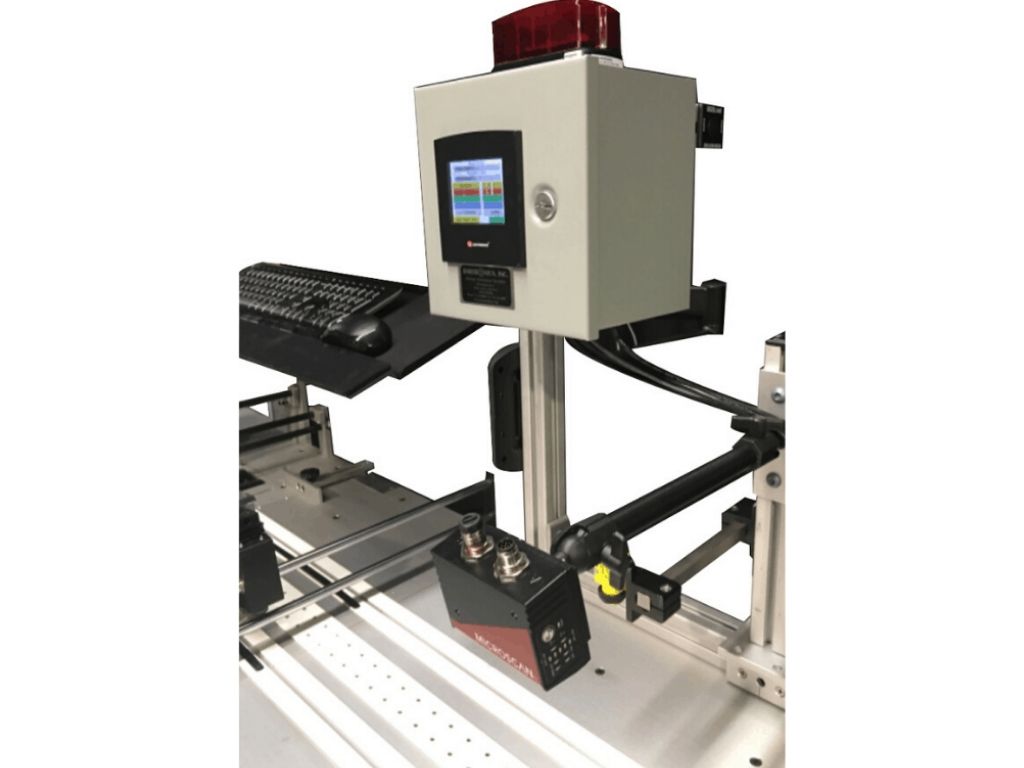
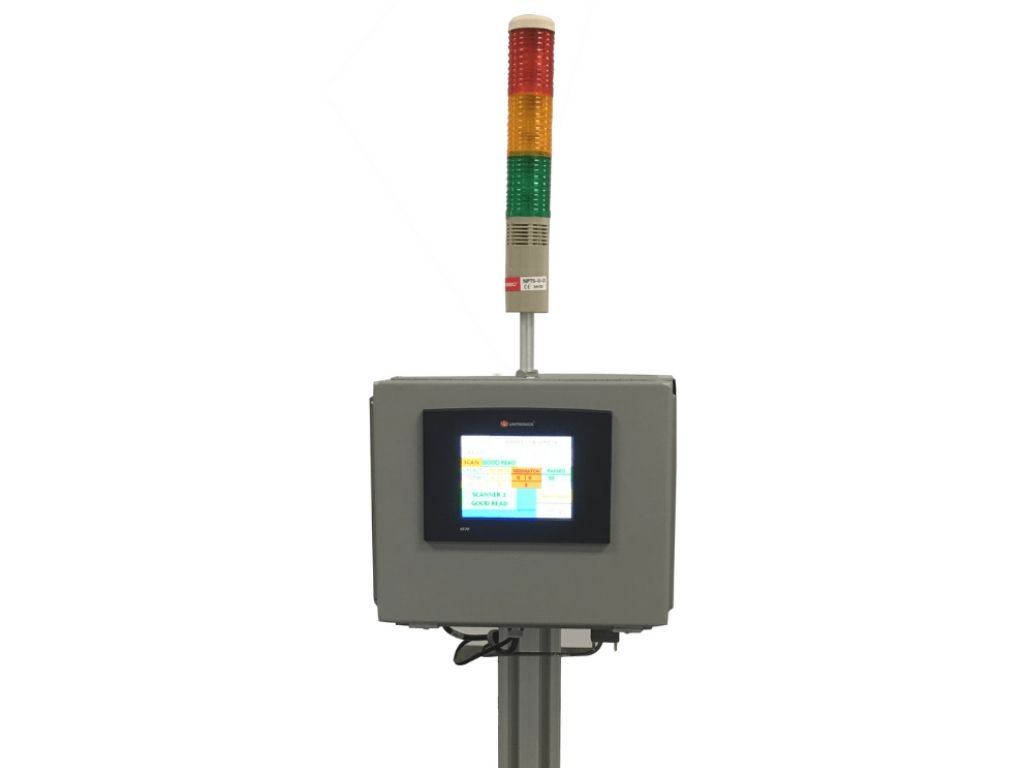

Implementing barcode scanning and verification solutions can significantly reduce packaging scanning errors by identifying problems before they become costly issues.
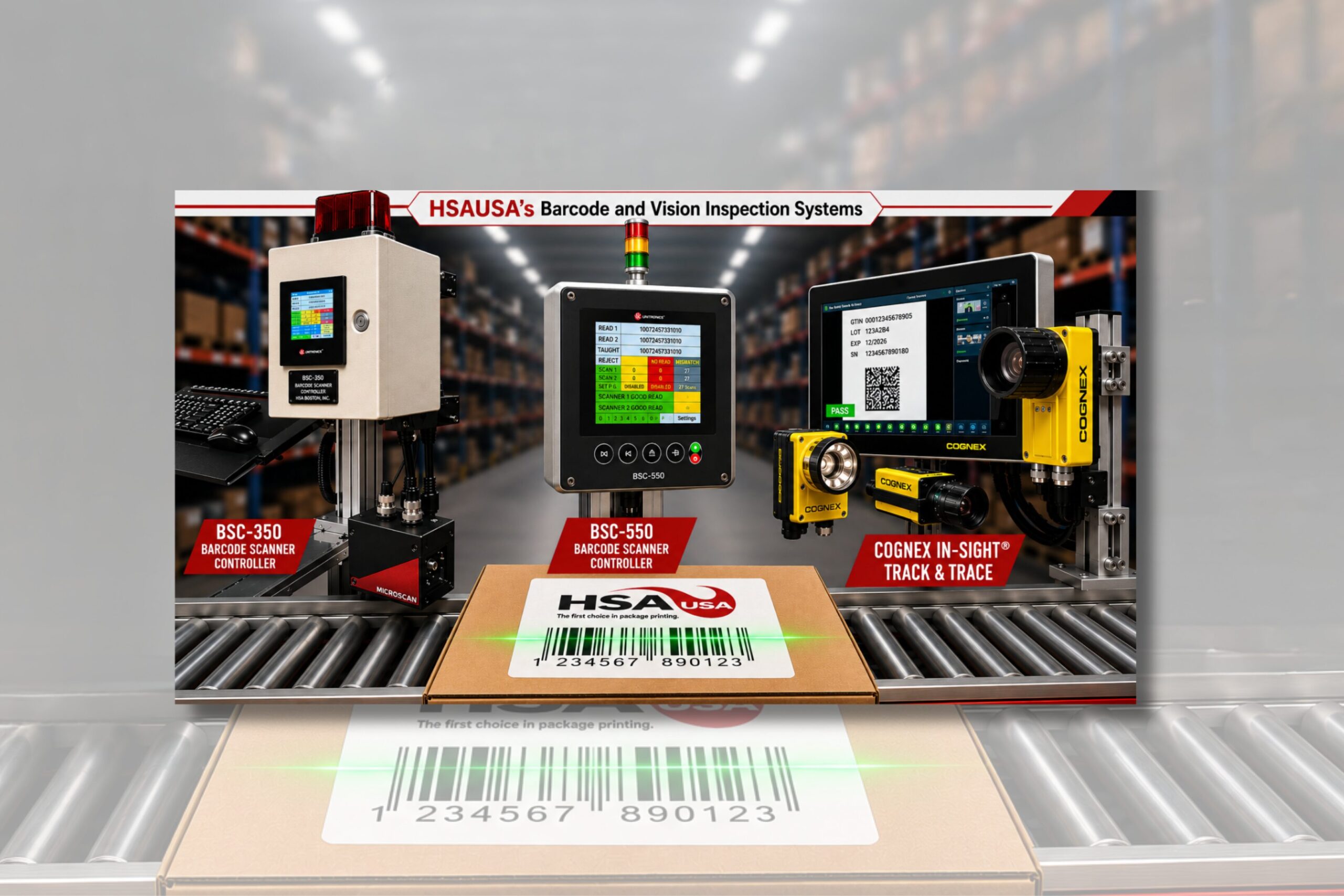
Solutions such as the BSC-350 Barcode Scanner Controller and BSC-550 Barcode Scanner Controller help manufacturers integrate barcode scanning and verification capabilities directly into production operations. These systems provide real-time feedback that allows operators to quickly identify and correct barcode quality issues.
For advanced inspection, traceability, and serialization applications, the Cognex In-Sight® Track & Trace system provides powerful vision inspection capabilities designed to improve accuracy and ensure product data is captured correctly throughout the production process.
Improve Packaging Accuracy with HSAUSA
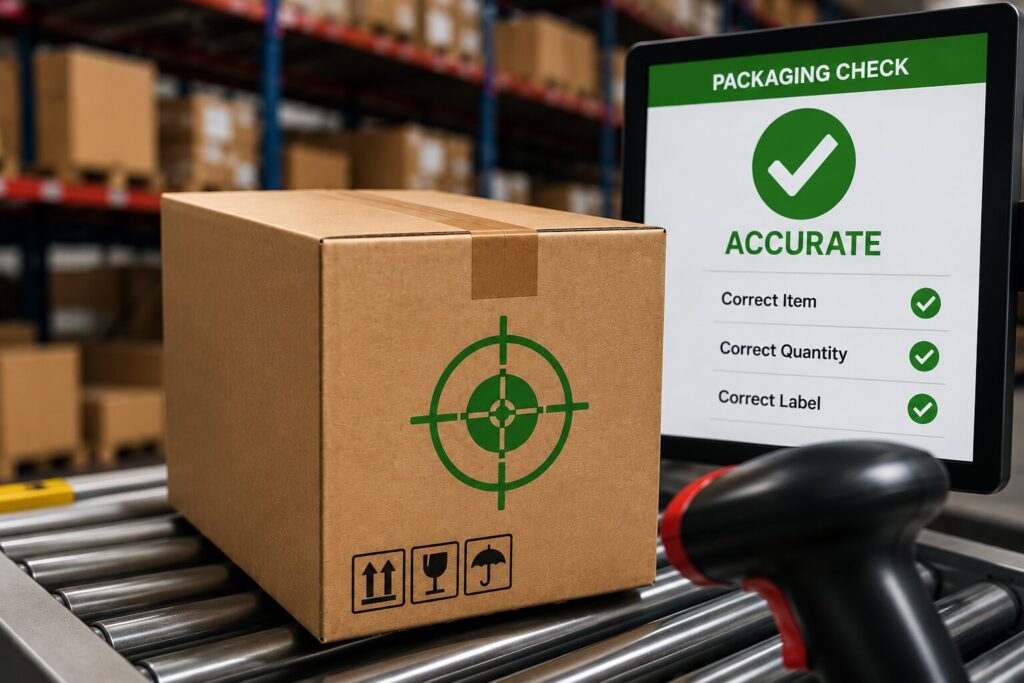
As barcode requirements continue to evolve, manufacturers must take a proactive approach to preventing scanning errors. Investing in reliable scanning, verification, and vision inspection technology can help reduce compliance risks, improve operational efficiency, and ensure products move successfully through the supply chain.
HSAUSA offers barcode scanning, verification, and vision inspection solutions designed to help manufacturers improve packaging accuracy and maintain reliable product traceability. Whether you’re verifying labels, shipping cartons, or serialized packaging, our team can help identify the right solution for your application.
Contact HSAUSA today to learn more about reducing packaging scanning errors and improving barcode performance across your operation.

HSAUSA has low-cost inkjet printing and labeling solutions in combination with our pouch and carton feeding systems. We are a Solution provider for marking and coding your products. Our featured feeding and labeling system, VFS-1000 (Vertical Feeding System) and Labeling System is a prime example of a diverse product feeding system that allows for pouch labeling, pouch printing, carton labeling, carton printing, zippered pouches, zippered bags, standup pouches, auto bottom cartons, coffee bags, foil pouches, paper bags, bags with handles, and more! For more info on our Top 3 Viewed Videos on Our YouTube Channel or all our products, call 732-324-0800 or email sales@hsausa.com